A Guide to Common Eye Conditions: From Dry Eye to Glaucoma
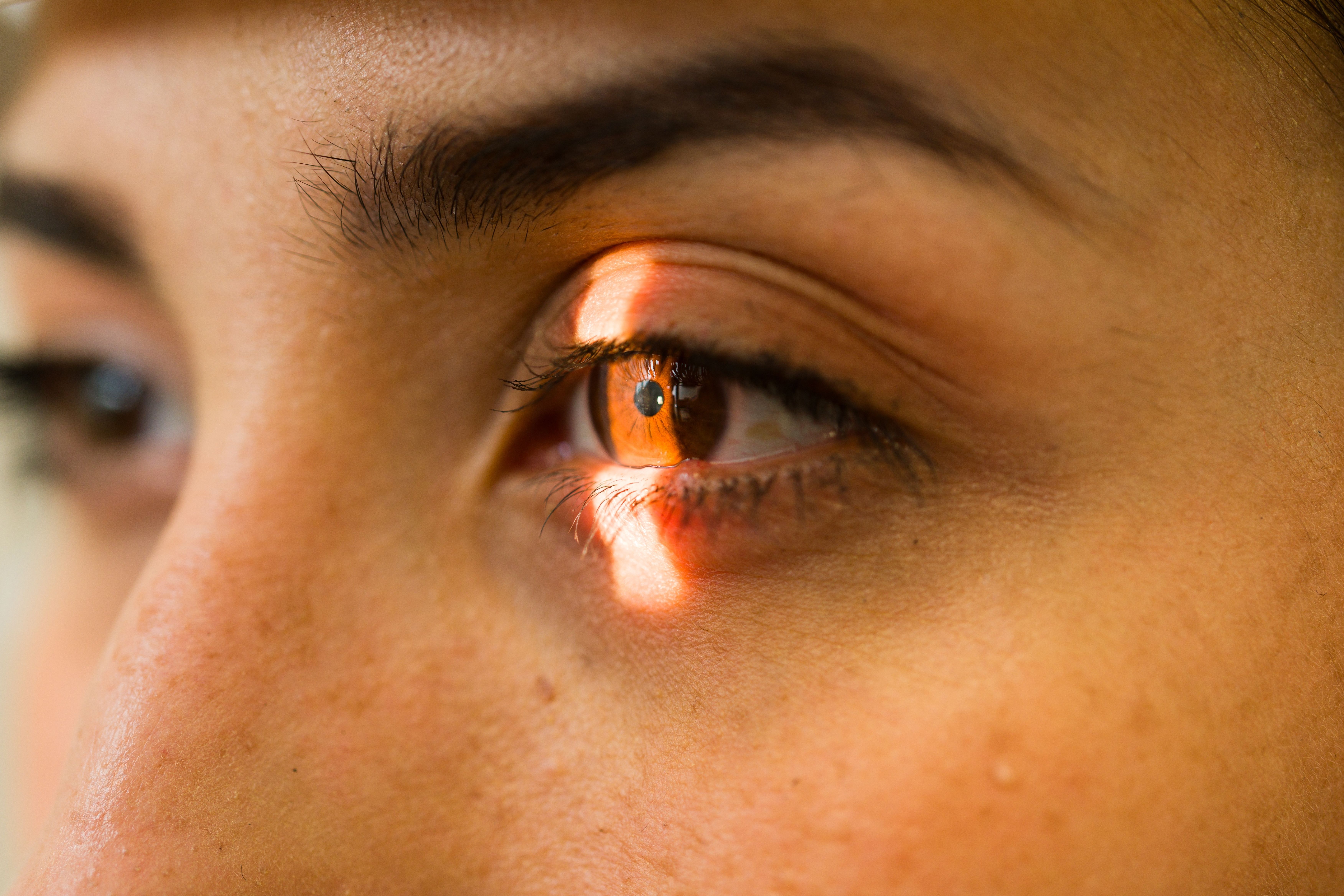
Clear vision is something many people take for granted - until it begins to change. From everyday discomfort like dryness and irritation to more serious conditions that threaten long-term sight, eye health concerns can affect anyone at any age. The key to protecting your vision is understanding common eye conditions and recognizing when symptoms shouldn’t be ignored.
Dry Eye Syndrome
Dry eye syndrome occurs when your eyes do not produce enough tears or when tears evaporate too quickly. Tears play a vital role in maintaining clear vision and keeping the surface of the eye smooth and healthy. Without adequate tear production or quality, the eyes can become irritated and uncomfortable.
Common symptoms of dry eye include a burning or stinging sensation, a gritty or sandy feeling, redness, and blurry vision that often improves with blinking. Some people may also experience watery eyes, which is actually a reflex response to dryness.
Dry eye can often be effectively managed with artificial tears, prescription eye drops, lifestyle adjustments, or in-office treatments designed to improve tear quality and reduce inflammation. A comprehensive eye exam helps determine the underlying cause and allows your eye care provider to create a personalized treatment plan.
Cataracts
Cataracts develop when the natural lens of the eye becomes cloudy, which often occurs gradually as part of the aging process. This clouding interferes with the passage of light through the lens, affecting visual clarity.
Individuals with cataracts may notice blurry or cloudy vision, increased sensitivity to light, difficulty seeing at night, and colors appearing faded or dull. These changes can progress slowly over time.
In the early stages, updated prescription lenses and improved lighting may help manage symptoms. As cataracts advance, surgical removal of the cloudy lens and replacement with an artificial lens is a highly effective treatment option. Routine eye exams are essential for early detection and timely referral for surgical evaluation when needed.
Glaucoma
Glaucoma is a group of eye diseases that damage the optic nerve, often due to increased pressure inside the eye. It is frequently referred to as the “silent thief of sight” because it can progress without noticeable symptoms in its early stages.
When symptoms do appear (typically in later stages) they may include gradual loss of peripheral vision, tunnel vision in advanced cases, and eye pain in certain types of glaucoma.
Early detection is critical in managing glaucoma. Treatment options may include prescription eye drops, oral medications, laser therapy, or surgery to lower eye pressure and protect the optic nerve. Regular eye exams are crucial, as glaucoma can develop without warning signs.
Age-Related Macular Degeneration (AMD)
Age-related macular degeneration (AMD) affects the macula, the part of the retina responsible for sharp, detailed central vision. It most commonly affects adults over the age of 50 and can significantly impact daily activities such as reading and driving.
Symptoms of AMD may include blurred or distorted central vision, difficulty reading, and dark or empty spots in the center of vision. Peripheral vision is usually unaffected.
Although AMD cannot be fully cured, early detection allows for careful monitoring and treatment strategies that may slow progression. Nutritional guidance, lifestyle modifications, and medical treatments for certain forms of AMD can help preserve vision for a longer period.
Diabetic Eye Disease
Diabetic eye disease, including diabetic retinopathy, occurs when high blood sugar levels damage the blood vessels in the retina. Over time, this damage can lead to vision problems and even permanent vision loss if left untreated.
Common symptoms include fluctuating vision, dark spots or floaters, blurred vision, and vision loss in advanced stages. In some cases, early diabetic eye disease may not cause noticeable symptoms.
Effective management requires consistent blood sugar control and regular dilated eye exams. Treatment options may include laser therapy, injections, or other procedures to prevent further damage. Early detection and proactive care significantly improve long-term outcomes and help protect vision.
Prioritize Your Eye Health at SpecTakular Boutique
From dry eye to glaucoma, many common eye conditions can impact your comfort, clarity, and long-term vision health. The good news is that early detection and proper eye disease management make a significant difference. At SpecTakular Boutique, we focus on personalized care, advanced diagnostic technology, and long-term management plans tailored to each patient’s needs.
Take the next step in protecting your vision by schedule your next eye exam at SpecTakular Boutique. Our doctors are here to deliver personalized care and proactive eye disease management to keep your eyes healthy for years to come. Contact our office in Dawsonville, Georgia, by calling (706) 216-7732 to book an appointment today.

All Eye
Care Services

Keep
In Touch

Our Services
Office Hours
- Monday 9:00 AM - 5:00 PM
- Tuesday 9:00 AM - 5:00 PM
- Wednesday 9:00 AM - 5:00 PM
- Thursday 9:00 AM - 5:00 PM
- Friday 9:00 AM - 3:00 PM
- Saturday Closed
- Sunday Closed
© 2026 SpecTakular Boutique. All rights Reserved. Accessibility Statement - Privacy Policy - Sitemap
Powered by: